Santorini Greece Earthquakes: A Comprehensive Guide To Understanding Seismic Activity - Santorini Greece earthquakes have been recorded throughout history, with some events leaving a significant mark on the island. These earthquakes have not only shaped the physical landscape but also influenced the cultural and architectural development of Santorini. According to the Geological Society of London, the geological composition of Santorini makes it a hotspot for seismic research. The island's unique geological features provide valuable insights into the Earth's tectonic processes.
Santorini Greece earthquakes have been recorded throughout history, with some events leaving a significant mark on the island. These earthquakes have not only shaped the physical landscape but also influenced the cultural and architectural development of Santorini.
The impact of earthquakes on Santorini's landscape serves as a reminder of the dynamic nature of geological processes and the island's vulnerability to seismic activity.
Studies by the United States Geological Survey (USGS) indicate that the convergence rate of these plates contributes to the frequency and intensity of earthquakes in the region.
We encourage readers to stay informed about seismic activity in Santorini and take necessary precautions to ensure their safety. Share this article with friends and family, and explore other resources to deepen your knowledge of this fascinating topic. Together, we can promote awareness and preparedness in the face of nature's forces.
Buildings in Santorini are constructed according to strict seismic building codes, ensuring they can withstand moderate to severe earthquakes. Modern infrastructure incorporates advanced engineering techniques to enhance resilience against seismic forces.
The Greek government, in collaboration with international organizations, has invested in early warning systems that can detect seismic activity and alert the population in advance. These systems play a crucial role in minimizing the impact of earthquakes on the island.
These historical earthquakes highlight the importance of understanding seismic activity in Santorini and preparing for potential future events.
Recent studies have highlighted the importance of monitoring volcanic activity as an indicator of potential seismic events. The interplay between volcanic eruptions and earthquakes is a focal point of research, offering new perspectives on the island's geological dynamics.

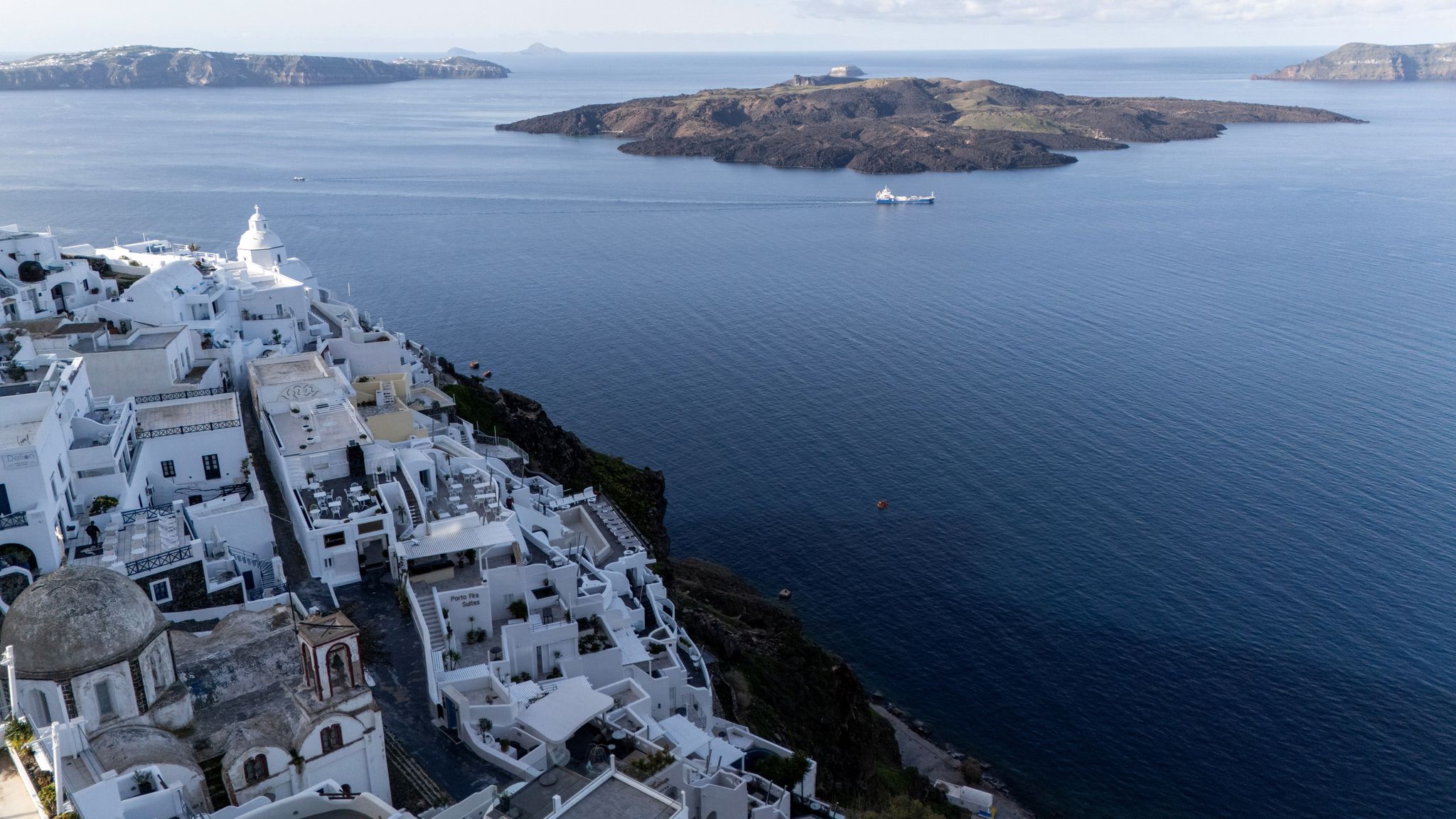
The 1956 earthquake caused parts of the caldera to collapse, reshaping the coastline and altering the island's topography. This seismic event also led to the formation of new islands, such as Nea Kameni and Palea Kameni, which are now popular tourist attractions.
Ongoing scientific research on Santorini Greece earthquakes provides valuable insights into the island's seismic behavior. Researchers from around the world collaborate to study the tectonic processes and develop strategies for mitigating the impact of earthquakes.
By following these precautions, tourists can enjoy their visit to Santorini with peace of mind, knowing they are prepared for any seismic eventuality.
Data from the European-Mediterranean Seismological Centre (EMSC) provides valuable insights into the seismic behavior of these zones, helping scientists predict potential earthquake patterns.
